

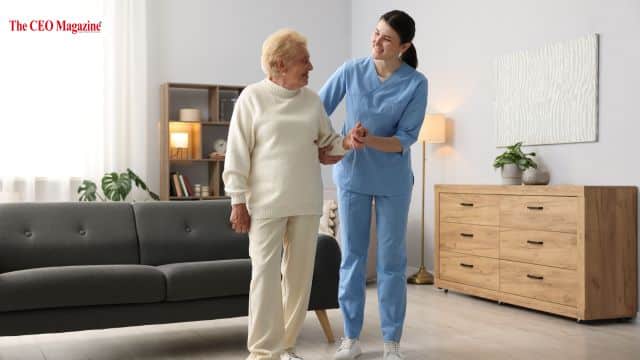
Many families are increasingly turning to home health care for their loved ones due to its personalized approach and increased comfort. I understand that in-home services can offer flexibility that traditional facilities often lack, leading to better patient outcomes and enhanced family involvement. In this post, I will share seven compelling reasons why you might consider this growing option for your family’s health needs, emphasizing its benefits and positive impact on overall well-being.
Key Takeaways:
- Home health care provides personalized and tailored services, catering to individual patient needs in a familiar environment.
- The rising costs of hospital stays and long-term care facilities make home health care a more affordable option for families.
- Advanced technology and telehealth solutions enhance the quality of care, allowing for better monitoring and communication with healthcare providers.
Growing Aging Population
The growing number of older adults in the United States is a primary driver for the rise in home health care services. By 2030, it is projected that almost one in five Americans will be aged 65 or older, necessitating a shift toward more accessible, personalized health care solutions within the home environment. Families recognize that home health care offers tailored support that traditional settings cannot match, allowing elders to maintain a sense of independence while receiving necessary medical attention.
Increased Longevity
With advancements in medical technology and healthcare, people are living longer than ever before. This increased longevity often leads to a higher demand for care services as individuals require assistance to manage daily tasks and medical needs long into their senior years. By using home health care, you can ensure your loved ones receive support that aligns with their preferences and lifestyle, enhancing their quality of life.
Rise in Chronic Illnesses
The prevalence of chronic illnesses such as diabetes, heart disease, and arthritis has surged, placing additional strain on families to provide care. As these conditions require ongoing management, many families find that home health care offers the personalized support necessary to navigate daily challenges and medical needs effectively. This trend highlights the importance of tailored care that aligns with the specific needs of individuals living with chronic conditions.
Consider that nearly 60% of older adults are living with at least one chronic illness, which often complicates their day-to-day life. Home health care services are designed to help manage these conditions through skilled nursing, physical therapy, and medication management. By integrating these services into your loved one’s routine, you enhance their ability to live independently, reduce hospital visits, and ensure expert management of their health, all within the familiar confines of home.
Cost-Effectiveness
Cost-effectiveness is a significant factor driving the preference for home health care. Families often discover that the expenses associated with home health care are considerably lower than those incurred in traditional hospital settings, allowing for better allocation of resources for both immediate and long-term needs.
Comparison to In-Hospital Care
| Hospital Stay (per day) | $2,000 – $5,000 |
| Home Health Care (per hour) | $40 – $150 |
| Average Length of Stay | 3-5 days |
| Typical Home Care Duration | Varies: weeks to months |
Financial Benefits for Families
Choosing home health care can yield significant financial advantages for families. By avoiding extensive hospital bills and potentially reducing the need for expensive equipment or medications, you can stretch your budget further while receiving personalized care tailored to your loved one’s needs.
For example, home health care often eliminates the costs of hospital amenities and services, which can be exorbitant. A typical hospital stay can average between $2,000 and $5,000 per day, while in-home care may cost around $40 to $150 per hour, depending on the level of service required. This means that if your family member needs care for several hours each week instead of days in a hospital, you might save thousands of dollars while ensuring a more comfortable and personalized care experience. This financial flexibility fosters peace of mind, allowing you to focus on what truly matters: the health and happiness of your family member.
Personalized Care
Personalized care is a significant reason families are choosing home health care. It allows for a unique approach tailored specifically to each patient’s individual needs and preferences, ensuring they receive the most effective support for their health journey. By focusing on personal histories, lifestyles, and specific conditions, caregivers create a holistic plan that not only addresses medical requirements but also enhances overall well-being.
Tailored Health Plans
With tailored health plans, your loved one’s care is designed specifically for their medical conditions and lifestyle. This individualized approach means that therapies, medications, and daily routines are all adjusted based on their unique circumstances, resulting in more effective treatment and improved outcomes. As studies show, tailored care can lead to a significant increase in patient satisfaction and adherence to treatment protocols.
One-on-One Attention
One-on-one attention in home health care fosters a deep bond between patient and caregiver, significantly impacting recovery and comfort. This dedicated time allows caregivers to build trust, understand personal preferences, and respond to needs promptly. Studies indicate that patients receiving personalized care have lower anxiety levels and demonstrate better engagement in their treatment plans, directly contributing to enhanced health outcomes.
The importance of one-on-one attention can’t be overstated. When you have a caregiver focused solely on your loved one, it allows for continuous monitoring and immediate response to any changes in their condition. Consider a patient with dementia; having a dedicated caregiver means they can provide not just medical support but emotional reassurance as well, creating a stable environment. Additionally, this personalized engagement can help identify subtle changes in health that might otherwise go unnoticed, facilitating early interventions and better overall management of their conditions.
Comfort of Home Environment
A significant advantage of home health care is the comfort of the home environment. It allows patients to receive care in a familiar setting, surrounded by personal belongings and cherished memories, which can greatly enhance their sense of security and wellbeing. This familiarity can be comforting during challenging health situations, making recovery and daily management more manageable. Home care provides an atmosphere where families can remain closely involved in the caregiving process, creating a supportive network that promotes healing.
Familiar Surroundings
Being cared for in familiar surroundings helps reduce anxiety and stress levels significantly. When you are in a space filled with things you know, from family photos to favorite chairs, it naturally fosters a sense of wellness. You may also find that daily routines stay intact, leading to a smoother adjustment period and allowing for more effective healing and rehabilitation.
Emotional Well-being
Your emotional well-being can significantly benefit from home health care. Research indicates that individuals receiving care at home exhibit lower levels of depression and anxiety compared to those in institutional settings. This is often due to the overwhelming sense of autonomy and control that comes from being in one’s environment. Moreover, the presence of family members during care fosters closer emotional bonds and provides support that aids in mental health and overall happiness.
Studies illustrate that home care can reduce feelings of isolation commonly experienced in facilities. For instance, in-home patients often benefit from regular social interactions with caregivers and family, which is vital for mental health. A report by the National Institute of Health highlights that seniors receiving home health care often express higher satisfaction levels and report feeling valued, reinforcing the connection between emotional well-being and the home environment. Overall, being at home not only aids physical recovery but also nurtures emotional resilience, making it a preferred choice for many families.
Family Involvement
Engaging family members in the home health care process not only fosters emotional support but also enhances the overall well-being of the patient. This involvement can take many forms, from helping coordinate care to participating in daily activities. With family at the center, the care experience becomes more holistic and connected, leading to better outcomes.
Enhancing Support Systems
Including family in the caregiving process enhances support systems that promote recovery and emotional stability. When loved ones participate, they can share responsibilities that limit caregiver burnout, ensuring that the patient’s needs are met consistently. This collaboration cultivates a stronger network, offering the patient diverse sources of encouragement and practical help.
Active Participation in Care
Active participation in care by family members makes a significant difference in how well home health care functions. Involvement can range from attending medical appointments to managing medications. By taking an active role, family caregivers can track changes in health and communicate effectively with healthcare professionals.
When family members engage actively in care, they’re more likely to recognize subtle changes in the patient’s condition, facilitating timely interventions. In one case, a family noticed early signs of medication side effects, which led to a crucial adjustment in the treatment plan, demonstrating the value of vigilance that family participation brings. Regular meetings among family and healthcare providers can further enhance this collaboration, ensuring that everyone is aligned and well-informed on the care plan.
Advances in Technology
Innovations in technology are revolutionizing home health care, making it more efficient and accessible than ever before. From remote monitoring systems to mobile health applications, the tools available today enable healthcare providers to deliver care directly in the comfort of your home. These advancements not only streamline communication but also promote better outcomes for patients, as real-time data allows for timely adjustments in care plans.
Telehealth Integration
Telehealth integration is a game changer for home health care, allowing you to conduct virtual appointments with healthcare professionals without leaving home. This convenience means that you can access consultations and follow-ups promptly, saving both time and travel. Studies show that telehealth can lead to improved health outcomes, as you can receive ongoing support while maintaining your daily routine.
Monitoring and Communication Tools
Monitoring and communication tools have become necessary components of home health care, providing a bridge between patients and providers. With wearables and digital devices, I can track vital signs like heart rate and blood pressure in real-time, ensuring that your health status is continually monitored. These tools not only offer peace of mind for you and your family but also facilitate immediate intervention if issues arise.
Advanced monitoring systems, such as smart sensors and wearable technology, are more than just gadgets; they serve as vital instruments for health management. Devices capable of tracking daily activities can alert healthcare providers if there’s a deviation from normal patterns, allowing for proactive care. For example, if your loved one has a sudden drop in mobility or a change in vital signs, caregivers can act quickly, often before an emergency develops. This integration of technology enhances communication and coordination, ensuring that your health needs are addressed in real time and leading to a more favorable and responsive care experience.
Conclusion
Considering all points, I see why home health care is becoming increasingly popular among families. Its personalized approach allows you to maintain a comfortable and familiar environment while receiving crucial medical support. The flexibility of services, cost-effectiveness, and focus on holistic care cater to your unique needs, making it a compelling choice. As we prioritize quality of life and family involvement in health care decisions, I believe you will find that home health care offers the perfect balance between professional assistance and personal comfort.
FAQ
Q: What are the primary benefits of home health care for families?
A: Home health care offers several benefits, including personalized, one-on-one care tailored to individual needs, enhanced comfort for patients in their own environment, improved safety, and independence for elderly or disabled individuals. Additionally, it can reduce the overall costs associated with hospitalization or long-term care facilities.
Q: How does home health care support family caregivers?
A: Home health care provides relief and support for family caregivers by allowing professionals to take over certain responsibilities, such as medical monitoring, personal care, and medication management. This enables family members to focus on emotional support and reduces stress, helping to prevent caregiver burnout.
Q: What types of services are commonly offered through home health care?
A: Home health care services can include skilled nursing care, physical therapy, occupational therapy, speech therapy, medical social services, and assistance with activities of daily living like bathing, grooming, and meal preparation. These services are designed to accommodate a wide range of patient needs and conditions.


